
Education · 6 min read
A beginner's guide to reading terpene profiles
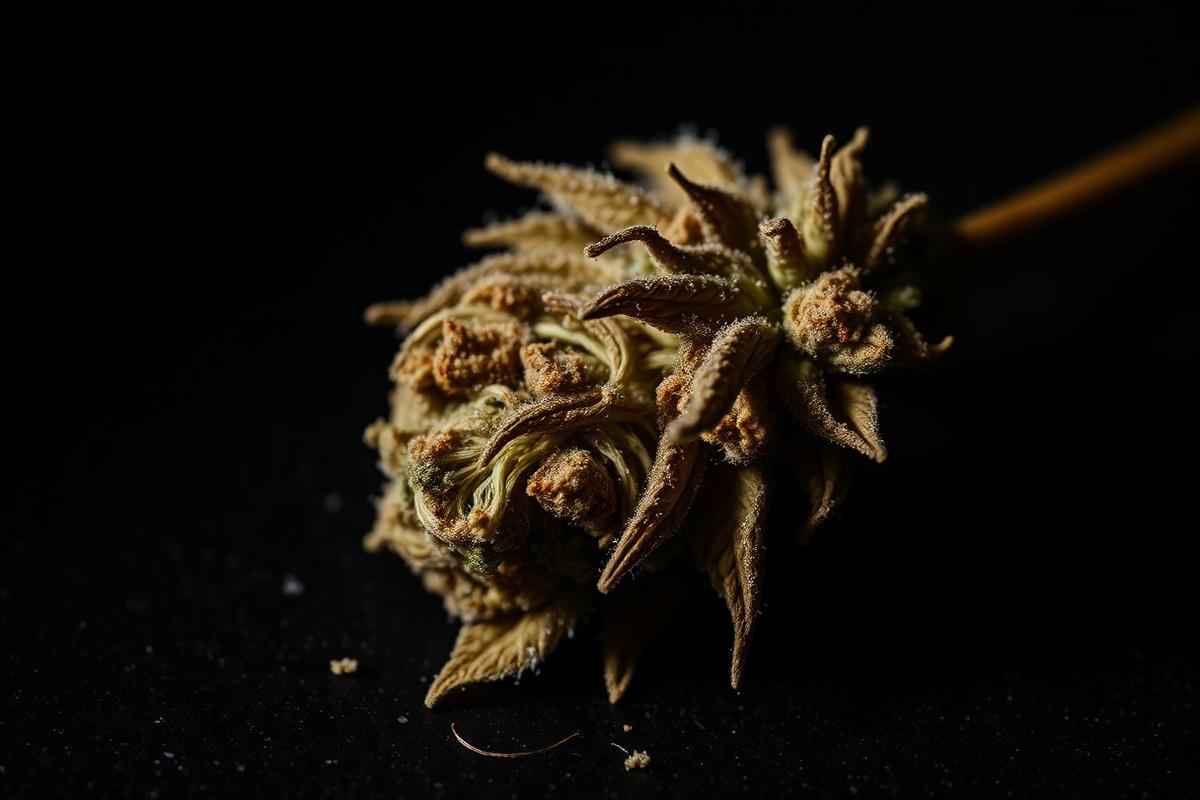
Almost every conversation at our counter starts the same way: someone points at a jar and asks what the THC percentage is. It is a fair question, and it is also the least useful number on the label. Potency tells you how strong a product can feel. It tells you almost nothing about how it will feel.
Terpenes are the aromatic compounds that give a cultivar its smell, and they are the closest thing we have to a plain-language description of an experience. Myrcene leans heavy, herbal, and sedating. Limonene is bright and citrus-forward and tends to feel lifting. Caryophyllene reads peppery and is the one terpene that also interacts directly with the body's CB2 receptors. Pinene is sharp and clean, like a walk through cedar.
When you read a certificate of analysis, look at the top three terpenes by percentage rather than the full list. Anything under about 0.1% is unlikely to shape the experience in a way you would notice. Two products with identical THC numbers and completely different top-three profiles will feel like different plants, because they effectively are.
The practical method we teach in store: find one product you genuinely enjoyed, write down its top three terpenes, and use that as your search key from then on. Over a few purchases you will build a profile that is far more reliable than chasing the highest number on the shelf.
Every product page on this site publishes the terpene breakdown we receive from the producer, charted rather than buried in a PDF. If a product is missing that data, we say so instead of guessing.